
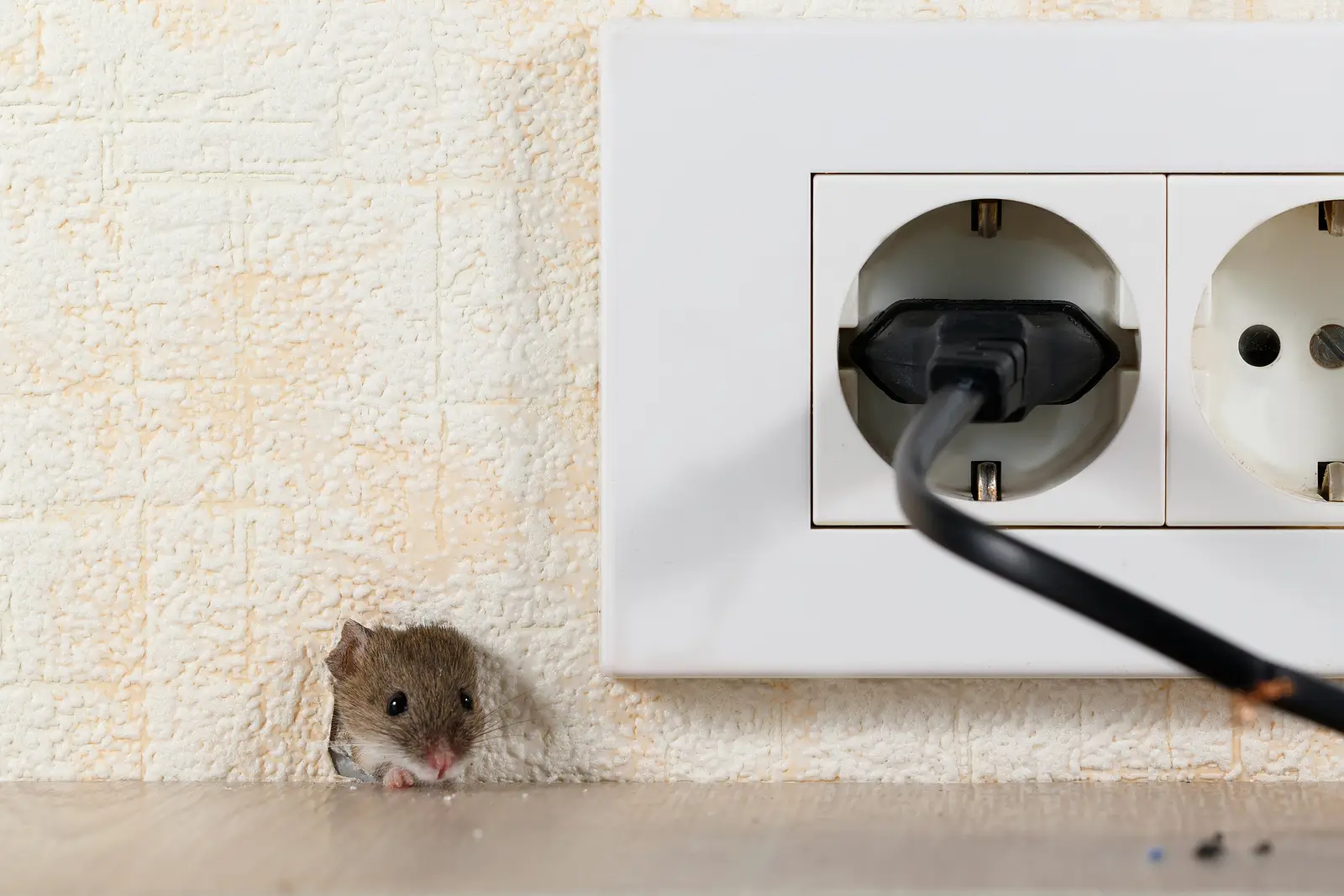
Houston’s warm, humid climate and mix of aging and newly built homes make it a natural hotspot for rodent activity. A Terminix report ranked the city seventh nationwide for rodent problems, citing long summers, ongoing construction, and rapid neighborhood growth as key factors.
By early 2025, infestations had even reached public facilities, including a Houston ISD school and the Police Department’s property room.
Our team at Terra Residential has seen firsthand how these conditions challenge Houston landlords. Drawing on years of local property management company experience, we’ll share practical insights to help you manage pests, protect your rental property, and stay ahead of recurring pest issues. Read on to learn more.
Key Takeaways
- Houston’s warm, humid climate and mix of older and newer housing make it a hotspot for rodent activity and common pests.
- Landlords and tenants share pest control responsibility. That's why clear communication and defined lease agreements prevent disputes and delayed responses.
- Regular inspections, sealing entry points, and maintaining clean spaces help prevent infestations before they start.
- Partnering with a trusted property management company like Terra Residential ensures proactive pest control and long-term property protection.
Why Rodents Thrive in Houston Rentals
Houston’s rodent problem didn’t appear out of nowhere. Several factors have made the city a prime environment for pests and rodents, including long summers, ongoing construction, and rapid population growth. Understanding these conditions helps landlords and tenants take smarter steps to prevent infestations.
Climate Factors
Terminix identified warmer weather as one of the main drivers behind increased rat activity. Houston’s extended summers and mild winters mean that rats and mice can breed year-round, creating entire colonies that expand faster than in colder climates.
Aging Housing Stock and Construction
Urban development, especially around older housing, also plays a role. The study noted that construction gaps and structural vulnerabilities in both new and aging properties create entry points where rodents can slip indoors.
Even small cracks and nesting areas around foundations or attics can attract pests if left untreated.
Urban Density
As neighborhoods grow and populations shift, rodents follow food sources and shelter. The city’s expanding residential footprint and dense housing increase the chances for a pest infestation to spread between properties.
Tenant Behavior
City leaders have also emphasized that prevention starts at home. During inspections at several Houston apartment complexes, Councilmember Carolyn Evans-Shabazz reminded residents that keeping trash cans and shared areas clean is key to preventing rodents from returning.
Regularly disposing of garbage and storing pet food properly are small actions that make a big difference.
Understanding the Risks
Rodents can cause real harm to properties and the people living in them. Terminix reported that rodents chew through materials such as wiring and insulation, leading to costly repairs. Houston’s rodent issues in 2024–2025 demonstrated that this problem extended beyond private homes, affecting public buildings as well.
Experts contributing to a Science Advances study added that when rodent populations surge, health hazards multiply. Houston rodent specialist Michael Parsons explained that high rodent activity can lead to situations where “people get sick, fires are started, and food is fouled.”
These findings reinforce the importance of consistent pest control responsibility and regular maintenance to ensure every home remains safe.
Landlord and Tenant Responsibilities
Keeping rental properties rodent-free is a shared effort defined under Texas law. Another important consideration for landlords is allowing pets in a rental property, which brings its own set of pros and cons.
Landlord Duties
Under Texas Property Code §92, landlords are responsible for maintaining habitable dwellings and addressing infestations that “materially affect the health or safety” of tenants. If a landlord fails to act after receiving written notice, tenants may be entitled to withhold a month’s rent or terminate the lease.
Tenant’s Responsibility
Tenants also play a role in keeping a rodent-free environment. Properly disposing of garbage regularly and reporting maintenance needs are key to preventing recurring infestations. Failing to do so may mean tenants are held responsible if their unsanitary conditions attract rodents or certain pests.
Lease Agreements
Clear lease agreements help avoid disputes about pest control costs. Agreements should specify who pays for control services and outline each party’s obligations. This ensures quick action when pest problems arise.
Prevention Strategies for Houston Rentals
Evidence from city reports and pest control services points to one clear takeaway: prevention works better than reaction.
Eliminate Entry Points
Terminix emphasized that rodents invade homes when conditions are inviting. So seal entry points in walls, attics, and foundations, and don’t overlook small gaps or cracks.
Landlords can schedule free inspections or even a free rodent inspection from local rodent control services to identify hidden vulnerabilities.
Reduce Attractants
Simple habits help prevent rodents and other pests: dispose of food items properly, store pet food in sealed containers, and clean trash cans often. These small actions reduce pest activity around rental homes.
Routine and Scheduled Visits
Regular inspections are vital, especially before and after Houston’s rainy seasons. City inspections at the Cullen Park and Wesley Square apartments in 2025 showed how scheduled visits and prompt repairs can make a real impact.
Effective Pest Control Solutions
Addressing rodent problems takes more than quick fixes. Professional rodent control services and pest control solutions provide targeted treatments to eliminate infestations safely and efficiently.
City-led abatement programs in 2025 used a specialized approach, which is a combination of thorough inspections, sealing, and cleanup. This aligns with Integrated Pest Management (IPM) practices, emphasizing prevention, monitoring, and limited chemical use.
Researchers also found that community education and awareness help find pests early and reduce re-infestation. Cities like New Orleans saw improvement after neighborhood workshops on prevention, an approach Houston could benefit from as well.
Legal and Regulatory Considerations
Under Texas Property Code §92 and local housing codes, landlords are responsible for ensuring rental properties remain safe and pest-free. Keeping records of inspections and control services demonstrates compliance.
When city officials inspected Sunnyside-area complexes in 2025, they identified potential risks and began immediate abatement. This cooperative model shows how clear communication among property managers, tenants, and the city helps maintain safe living conditions.
Lessons from 2025: A Wake-Up Call
The events of 2025 made one truth clear: ignoring rodent control can lead to far bigger problems.
Cases at Kelly Village, Cullen Park, and Wesley Square revealed that when landlords fail to act or many tenants don’t report pest activity, infestations can spread quickly. Once city officials conducted thorough inspections and repairs, conditions improved.
While researchers continue to study how climate and urbanization influence rat activity, 2025 showed that proactive pest control services and regular rodent control are the best defenses. Landlords who respond quickly to maintenance issues can stop infestations before they begin.
FAQs
1. Why is Houston so prone to rodent infestations?
Houston’s long summers, mild winters, and constant construction create ideal conditions for rodents to breed and find shelter. These factors make year-round rodent control essential.
2. Who is responsible for pest control in rental properties?
Under Texas law, landlords are responsible for keeping units habitable, but tenants can be held responsible if poor sanitation or pet food attracts pests. Clear agreements help define both roles.
3. What are the early signs of a rodent problem?
Watch for gnaw marks, droppings, and grease marks along walls or baseboards. If you suspect activity, schedule a thorough inspection from professional rodent control services.
4. How can landlords and tenants prevent infestations?
Seal cracks and entry points, clean trash cans, and dispose of garbage regularly. Regular pest control services and scheduled visits help keep rental homes rodent-free year-round.
Building Rodent-Resilient Rentals
Building rodent-resilient rentals means staying one step ahead. For Houston landlords, proactive pest control and routine inspections are essential to protecting property value, maintaining compliance, and ensuring tenant satisfaction.
Terra Residential helps Houston landlords treat and manage pests through professional control services and reliable communication. Contact us today for a free consultation and learn how our experienced property managers can help you rid your property of pests and protect it from future infestations.